
Photo Essay 2025
Journey across Japan

I have continued my investigative journey throughout this year while simultaneously handling a multitude of themes. However, the axis upon which I placed the greatest weight was the inquiry into origins. How precisely were the Japanese mythologies recorded in the Kojiki and the Nihon Shoki born?
The Kojiki and Nihon Shoki are often spoken of in a single breath, yet their fundamental ideological backgrounds are entirely distinct. While their contents may appear similar, their architectural techniques of composition differ radically. This is not a matter of superiority or inferiority. It signifies rather that in Japan these two oldest extant ideologies have intermingled and altered their intensity with each passing era. Furthermore, while resting upon the foundation of these two texts, there exist the Fudoki as compilations of ancient local oral traditions produced in the same epoch and the Sendai Kuji Hongi which conveys traditions predating even the Kojiki and Nihon Shoki, alongside countless other texts that chronicle the ancient world.
Consequently, there is likely no single correct view. I have come to feel that the only valid art is the technique of integrating these texts with multifaceted considerations across archaeology, history, and folklore under one’s own volition, while physically visiting the sites and patiently deciphering the land itself. Now that Artificial Intelligence has permeated the social fabric to this extent, nothing but primary information holds any weight.
Thus, on this final day of 2025, I had initially conceived yesterday to narrow down the theme to a fragment of this vastness and present it as a photo essay. I had even begun to write this morning. However, I altered the composition. With gratitude to the readers who have followed my words throughout this year, I decided to lay bare the entire process exclusively for my paid subscribers, however fragmentary the disclosure may be. Consequently, this text has grown voluminous. Yet it is my hope that you will traverse it slowly while accompanied by 56 photographs curated from the more than 7,000 images captured at the sites I visited during my inquiries this year. To me, travel is inquiry, and inquiry is travel. I certainly peruse literature, yet I treat it merely as a reference and place little faith in it. Rather, I place my utmost trust in what I see with my own eyes, hear with my own ears, and standing upon that very ground sense with my own heart.
Looking back, the year began in Tokyo. My initial investigation focused on the ancient spiritual boundaries called kekkai that once formed the city known as Edo. The modern urban center of Tokyo has ignored the spirit of Edo’s urban planning and destroyed it with a posture that prioritizes development above all else. This concerns the flow of Qi within the city. Edo was constructed on the premise of circulating this flow of Qi smoothly. Current Tokyo has undergone a complete transfiguration. Because the interests of Tokyo Governor Koike Yuriko and the construction conglomerates are tightly interlocked, unnecessary conceptual skyscrapers and condominiums continue to proliferate in chaotic succession. Yet even with this relentless stance on development, there exist multiple taboo locations in Tokyo where the hand of development must absolutely never intervene. These are the kekkai of ancient Edo, and to develop these grounds is to invite inevitable and great calamity. Regarding this, the novel Teito Monogatari by Aramata Hiroshi is fascinating. It depicts the struggle surrounding these barriers in Tokyo from the late Meiji to the early Showa era. As a lover of cinema, I learned much from the work of the deeply respected director Jissoji Akio who adapted this narrative to film.

From there, I departed for the old towns of Onomichi and Tomonoura in Fukuyama (Hiroshima Prefecture) facing the Seto Inland Sea in a region once known as Bingo Province
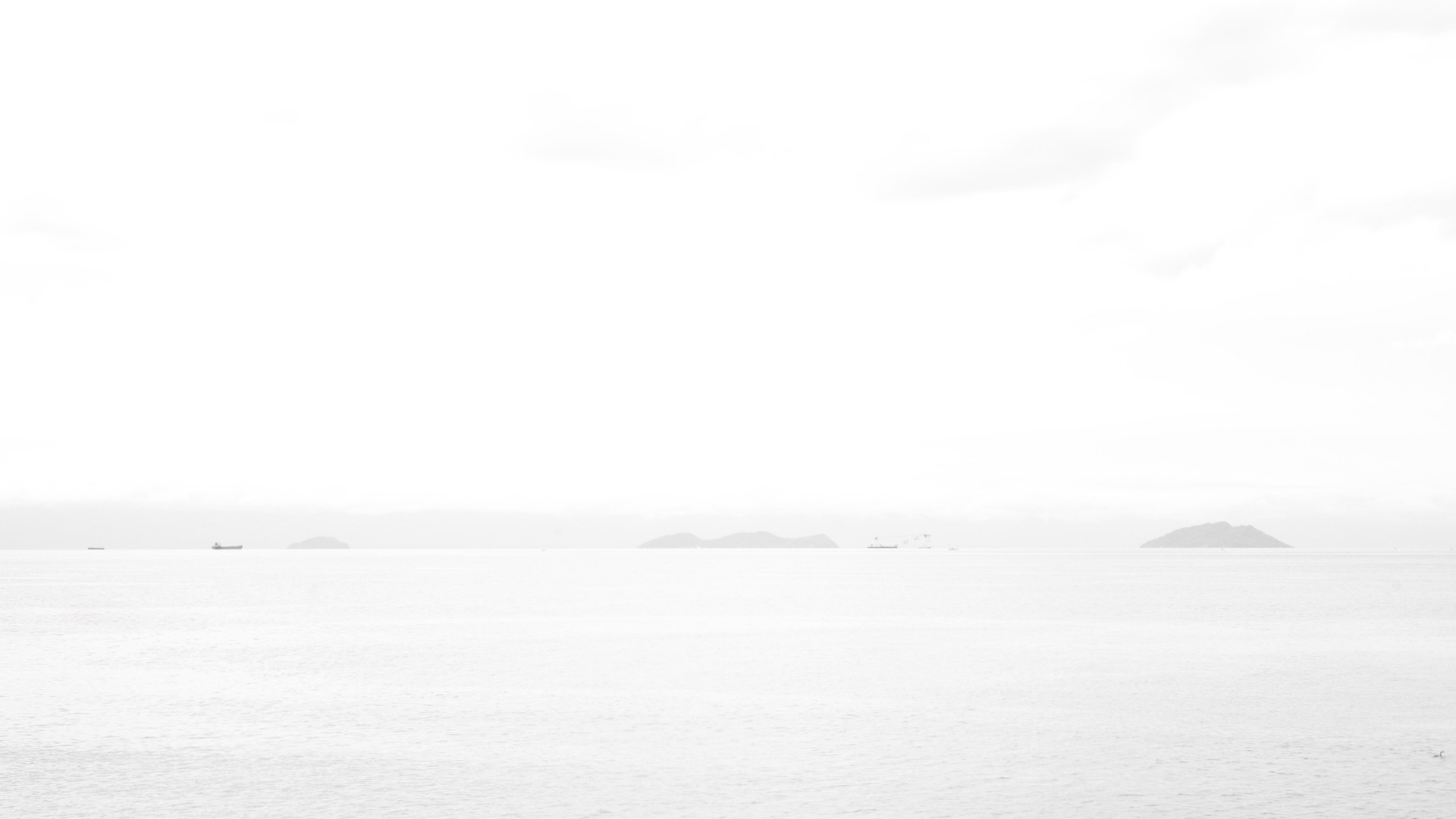
My plan was to combine investigations into the traditional techniques of Bingo-omote (tatami) and the techniques of Noh theater. However, upon conversing with a researcher of Bingo-omote, I perceived a distinct lack of passion in his bearing. I immediately dissolved the project and withdrew.
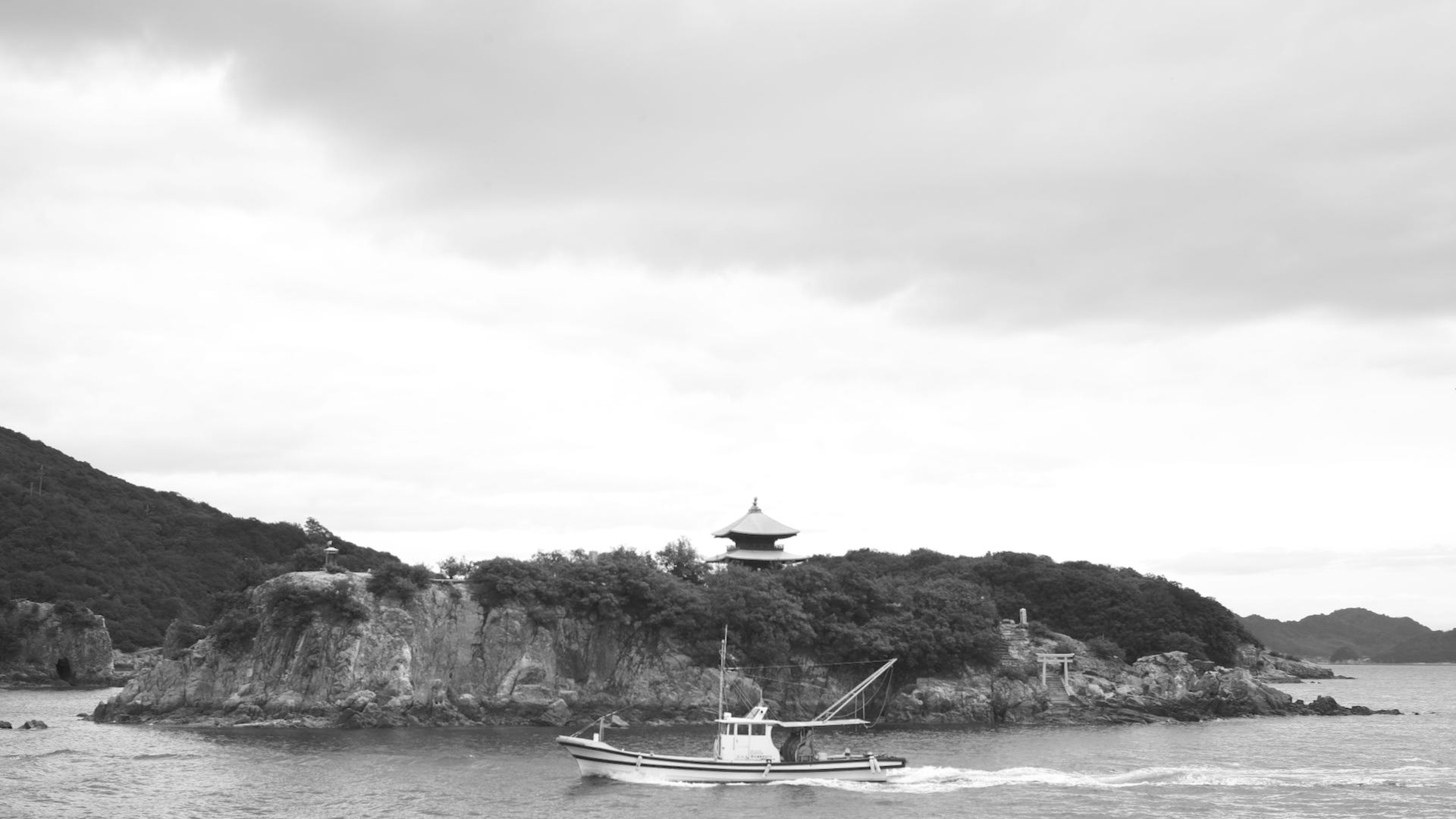
With my schedule unexpectedly cleared, I traveled to a remote island in the Seto Inland Sea, the homeland of my late grandmother, to visit surviving relatives and listen to the folklore of the land.
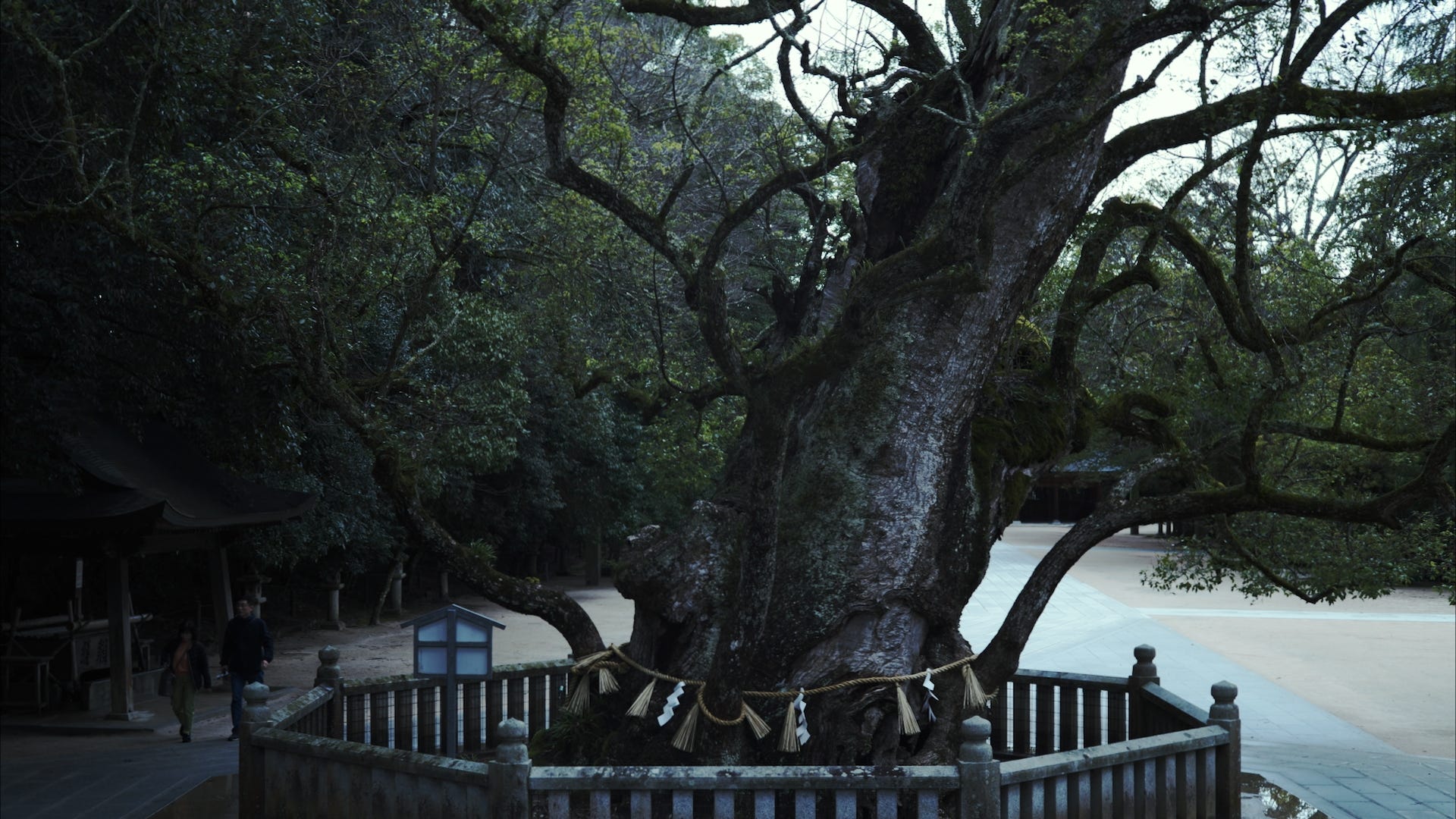
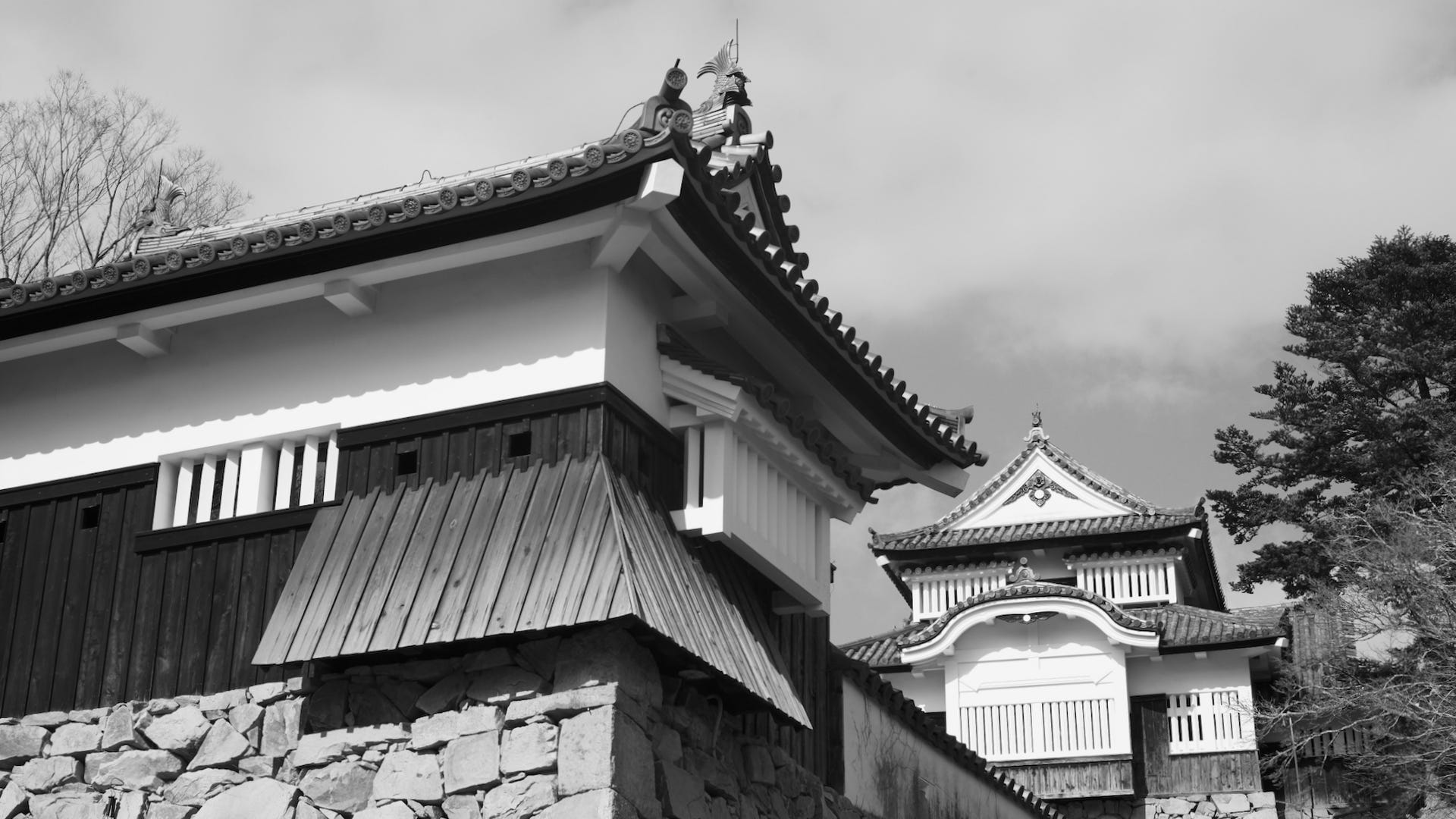
Returning to Honshu, I proceeded to an old castle town in the mountainous region of Okayama Prefecture formerly known as Bitchu Province. There I investigated a figure named Yamada Hokoku (1805–1877), a Confucian scholar who saved the Bitchu Matsuyama Domain from extreme financial ruin in the late Edo period. I visited the site to hear directly from his descendants.
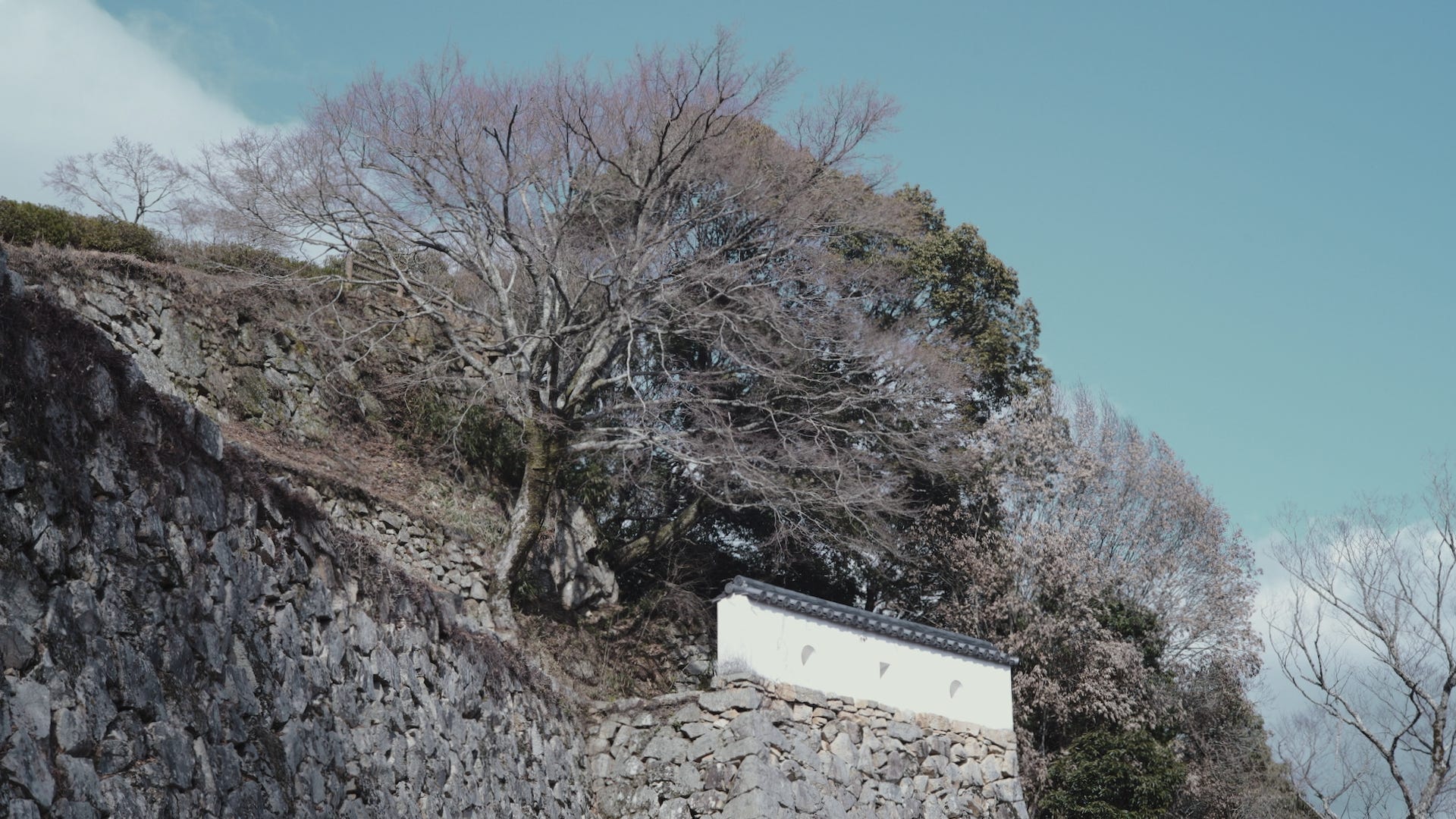
I then crossed over to the Sea of Japan side and entered the San’in region along the coasts of Tottori and Shimane Prefectures. I conducted an independent inquiry into what exactly transpired during the transition from the Yayoi period to the Kofun period as a critical juncture in ancient Japanese history.
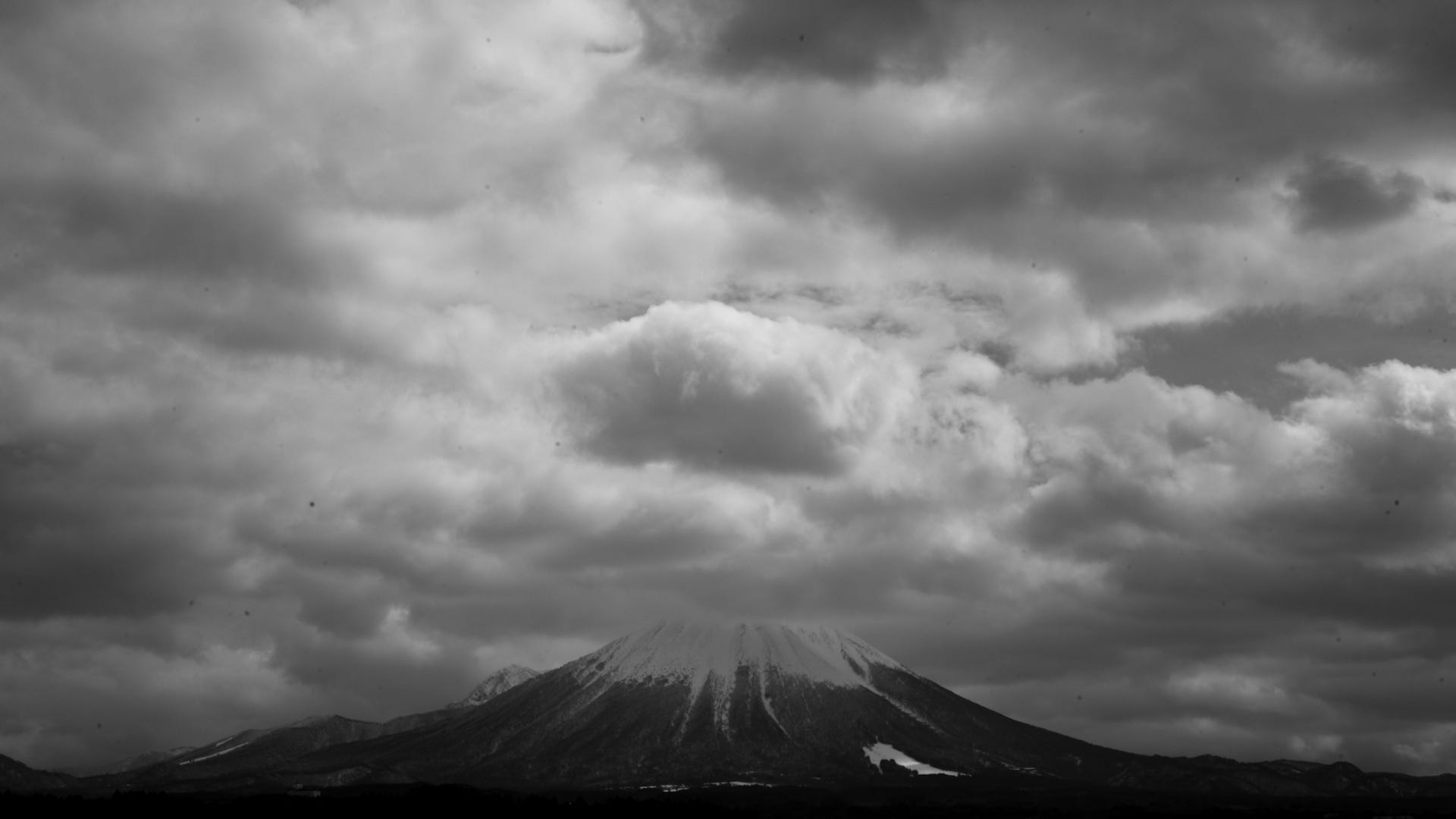
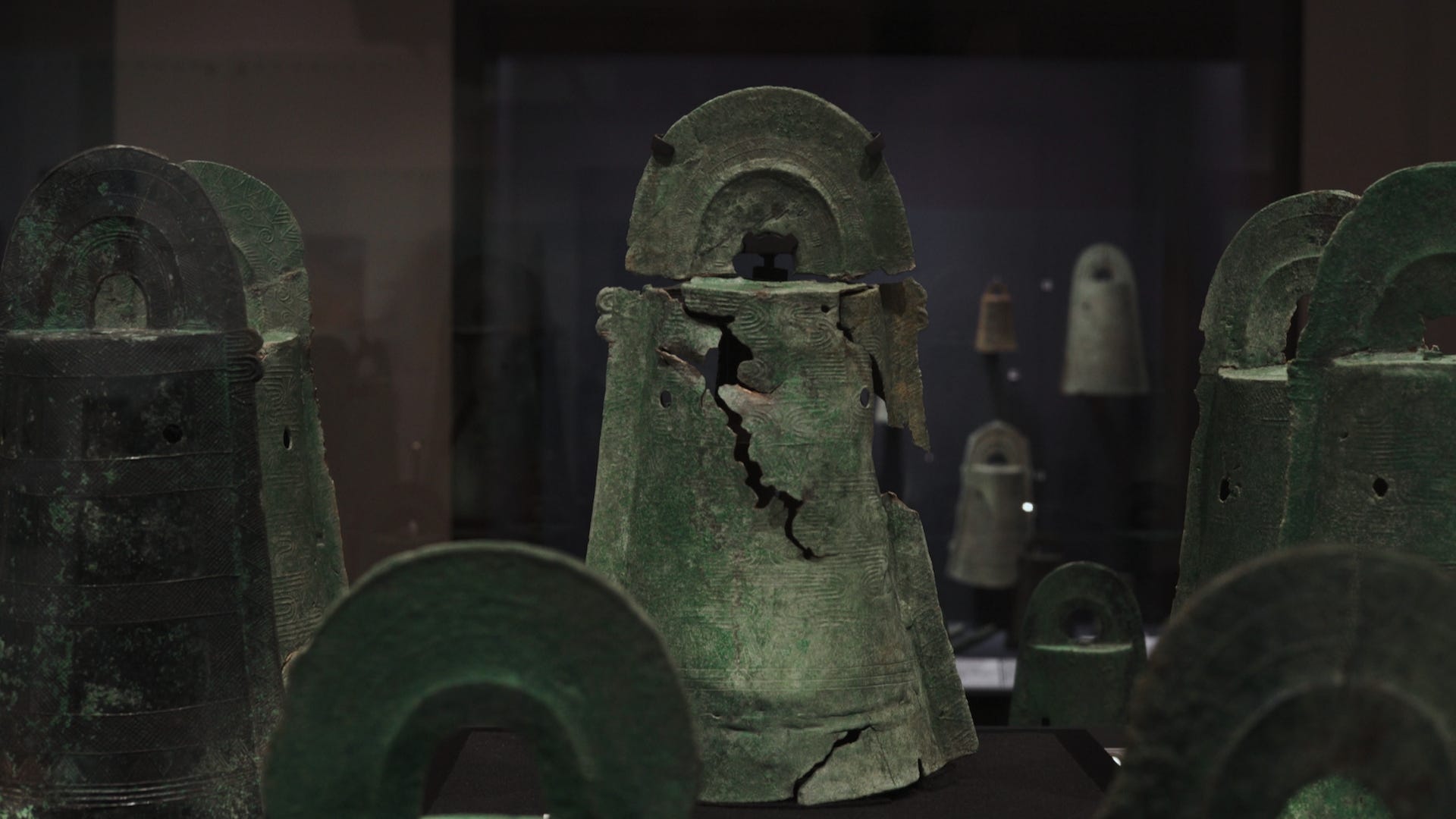
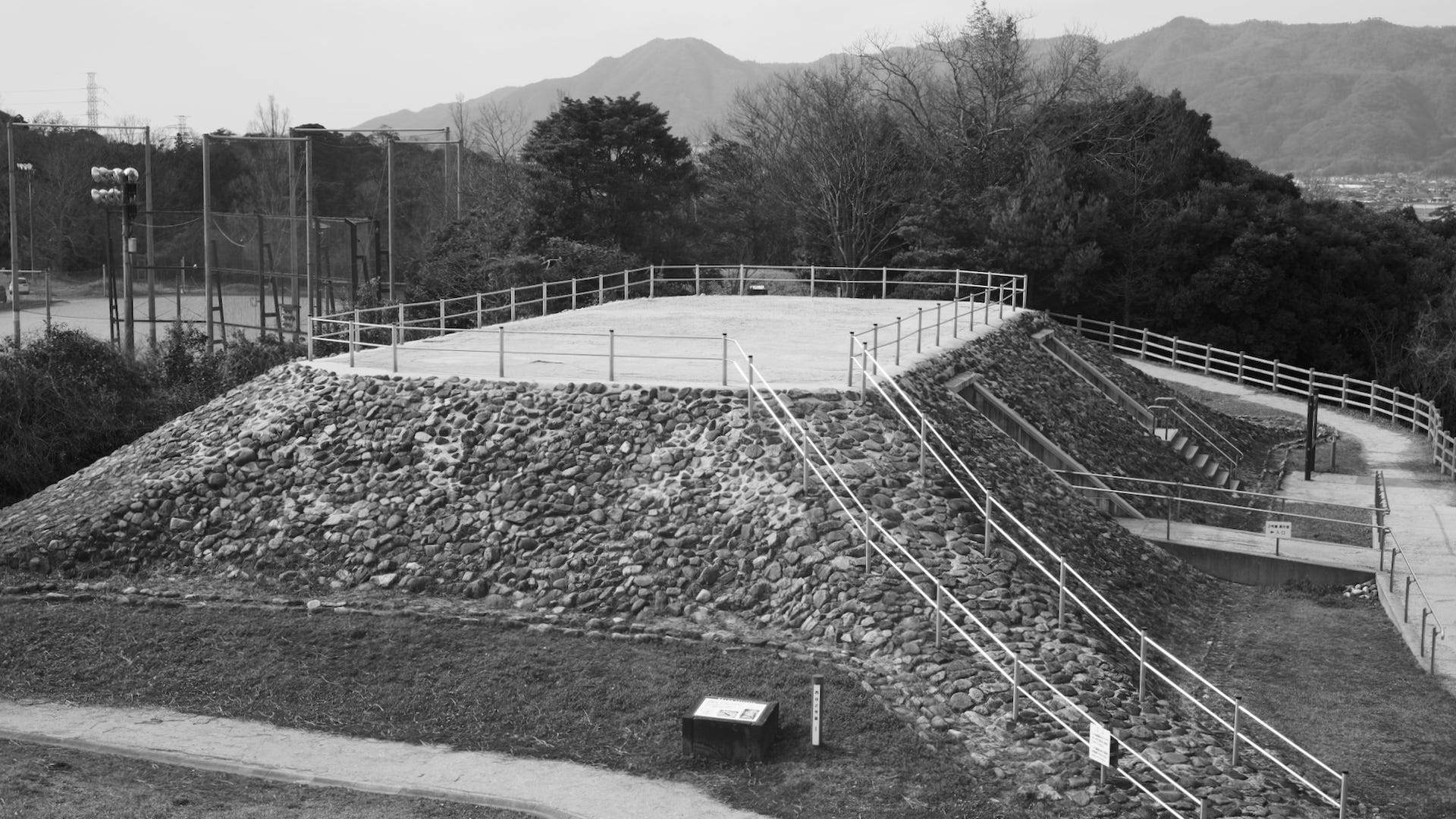
This was an exploration to seek the true form of the god Okuninushi [大国主大神] as the central deity of Izumo Taisha who unified the powerful faction known as Izumo Province in mythology.
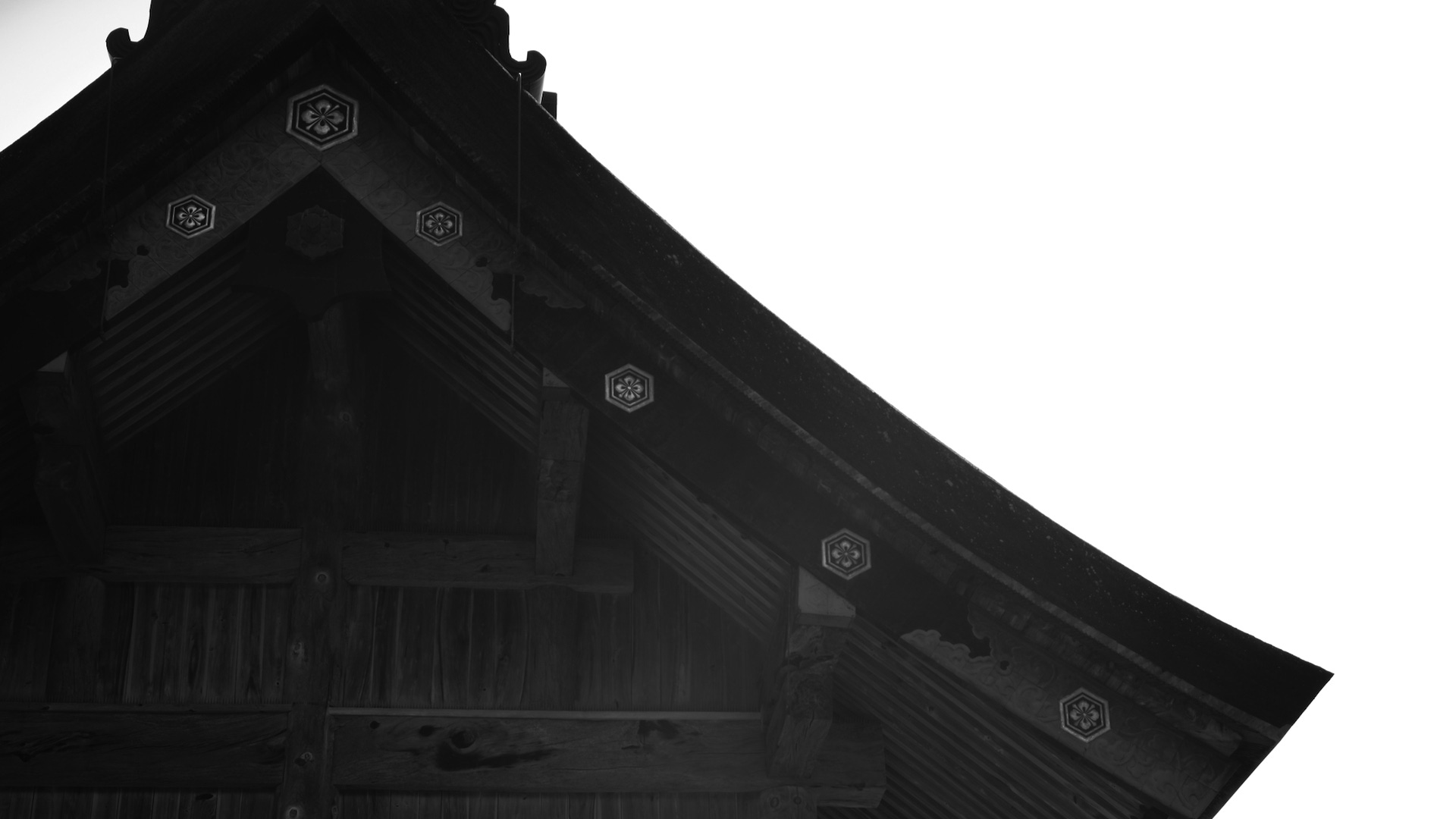
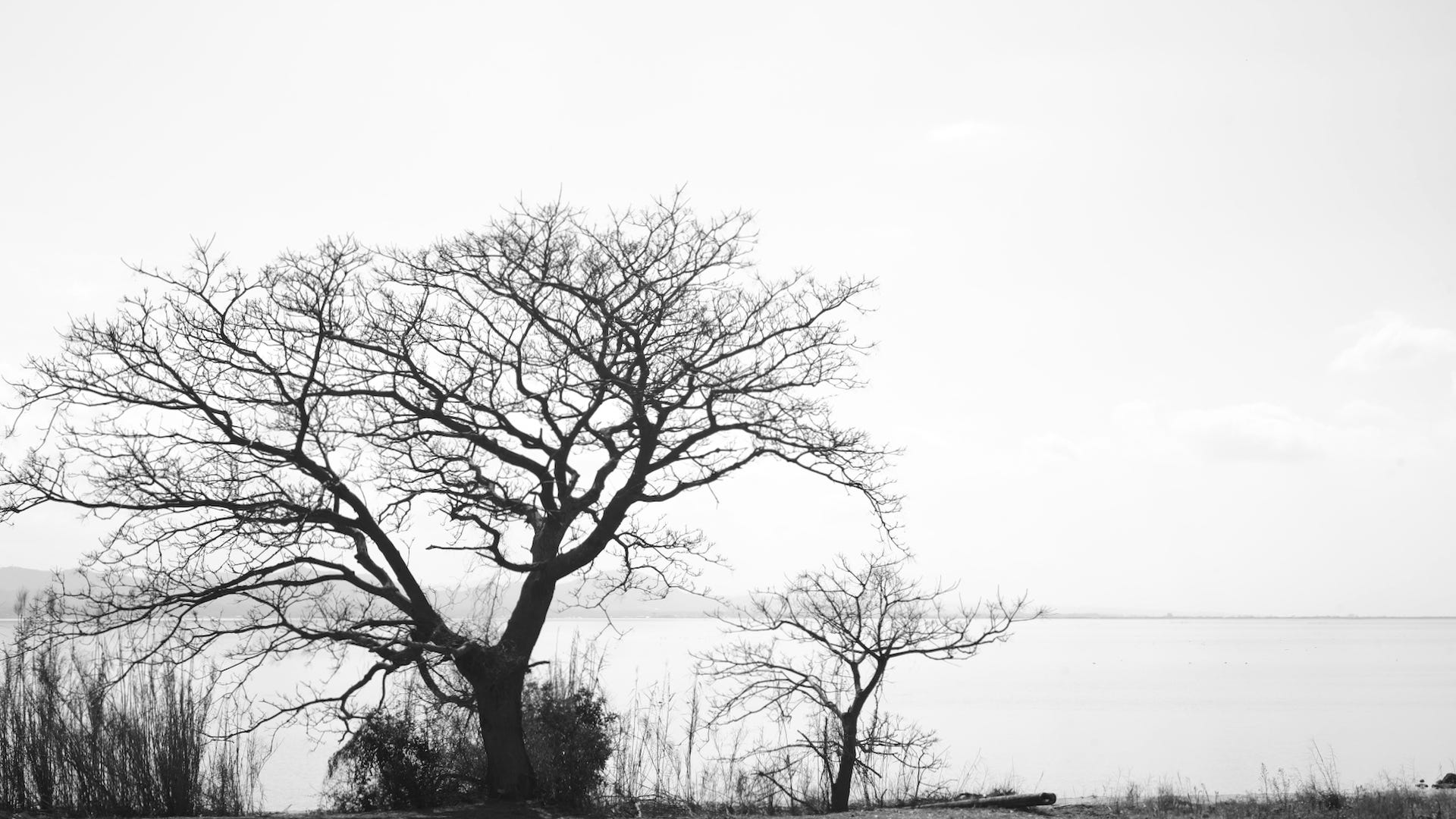
While chasing the shadow of Izumo before it became a giant, I visited the location retaining the legend of the tomb of Yakamihime (hime means princess) of Inaba Province (present-day Tottori Prefecture) who formed a marital alliance with Onamuchi as the divine name of the god before he claimed the kingly title of Okuninushi. When I spoke to the locals, they shared an astonishing oral tradition. Yakamihime was a deity from overseas who led a tribe called the “Yakami Tribe” and eventually settled in this land. I was guided to an unknown tomb deep in the mountains, where I offered prayers. At that moment, I became convinced that without mastering the perspective of the immigrant deity, the form of ancient Japan remains invisible.
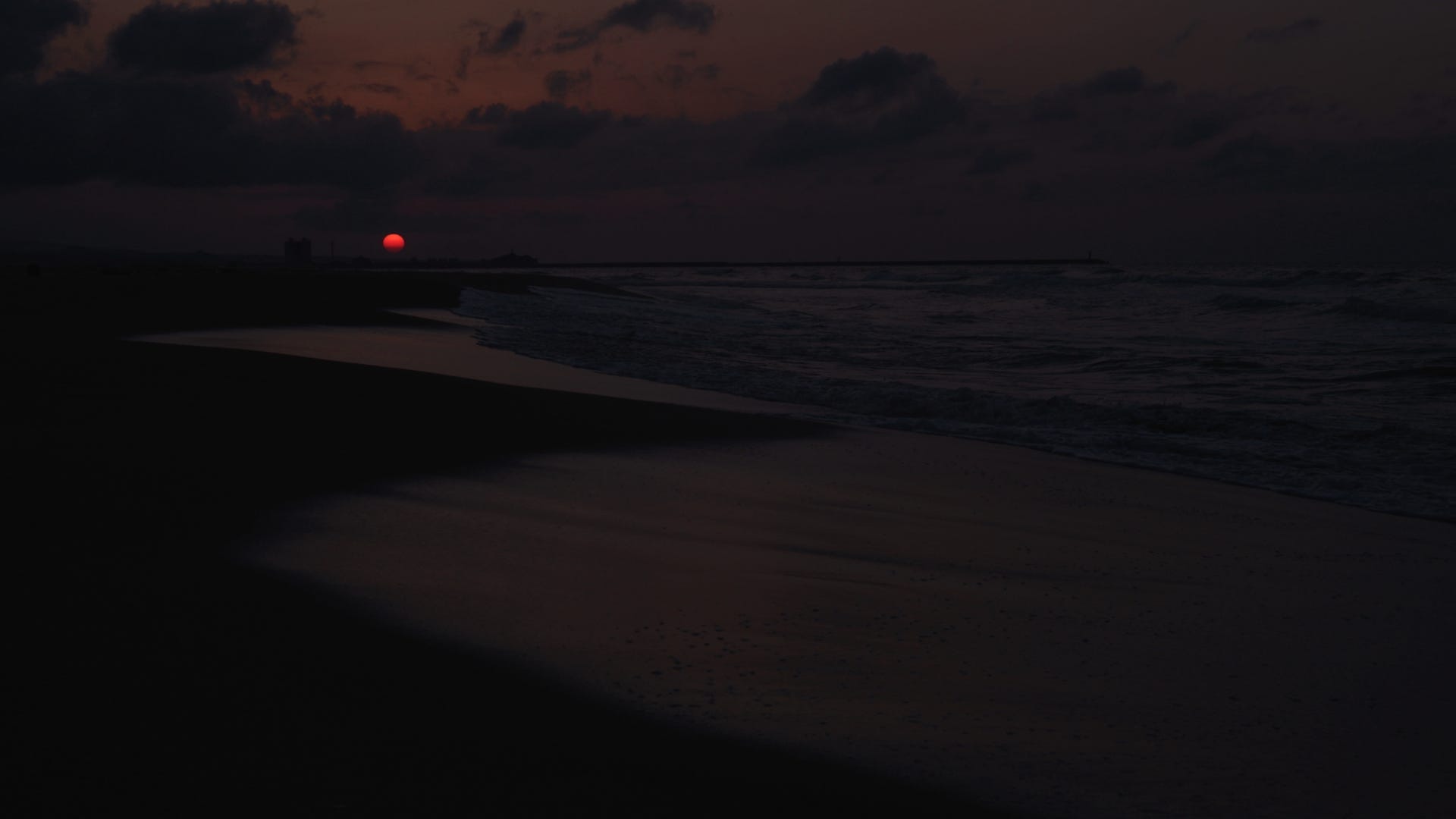
I left San’in briefly, only to return to investigate this perspective of migration.